
Is data empowerment the way to protect our residents?
Rachel Coldicutt
16th December 2025
We are living in an era dominated by the intersection of technology, politics, and society, and we are on the cusp of a significant breakdown driven by the concentration of power and the misuse of technology. This breakdown will have far-reaching consequences, from geopolitics to individual wellbeing. Warning signs are everywhere: increasingly unstable technologies, the splintering of global powers, and the corrosive effects of misinformation. At the heart of this crisis is how technology is being developed and deployed.
The current model, shaped by a Silicon Valley mindset of extractive technology, is unsustainable. The environmental costs alone are staggering: the energy and water required to power AI are finite, and the waste generated by these systems is already having a devastating impact. Meanwhile, the benefits of these technologies are not being evenly distributed, leaving individuals and communities behind.
One major area of concern is the increasing use of AI, which is deepening the splintering between global powers as regions pursue their own approaches. Technologies are being released that are neither replicable nor verifiable, creating a world where it is difficult to know whether anyone is who they say they are or whether they truly know what they claim to know. This undermines the quality of long-term decision-making by degrading the evidence base itself, as the mechanisms used to gather knowledge become opaque and aligned with concealed agendas.
Another concern is the way technology enables the spread of misinformation and the erosion of trust. We are living in a world where “nobody knows what’s true anymore”, with profound impacts on politics and daily life. The proliferation of partisan content, and the rise of self-appointed wellness influencers and health gurus, exemplify this trend.
The insecurity of technical infrastructure will make society increasingly vulnerable. Cyber-attacks are now a growing feature of modern life, with consequences that can be almost unlimited. If core systems, such as benefits payments, were disabled by hackers, the repercussions for an organisation like Clarion would be significant.
The consequences of these developments are severe: increased global conflict, cyberterrorism, and the intentional spread of misinformation by governments are all highly likely, even inevitable. We are already witnessing fake news and large-scale manipulation of public opinion.
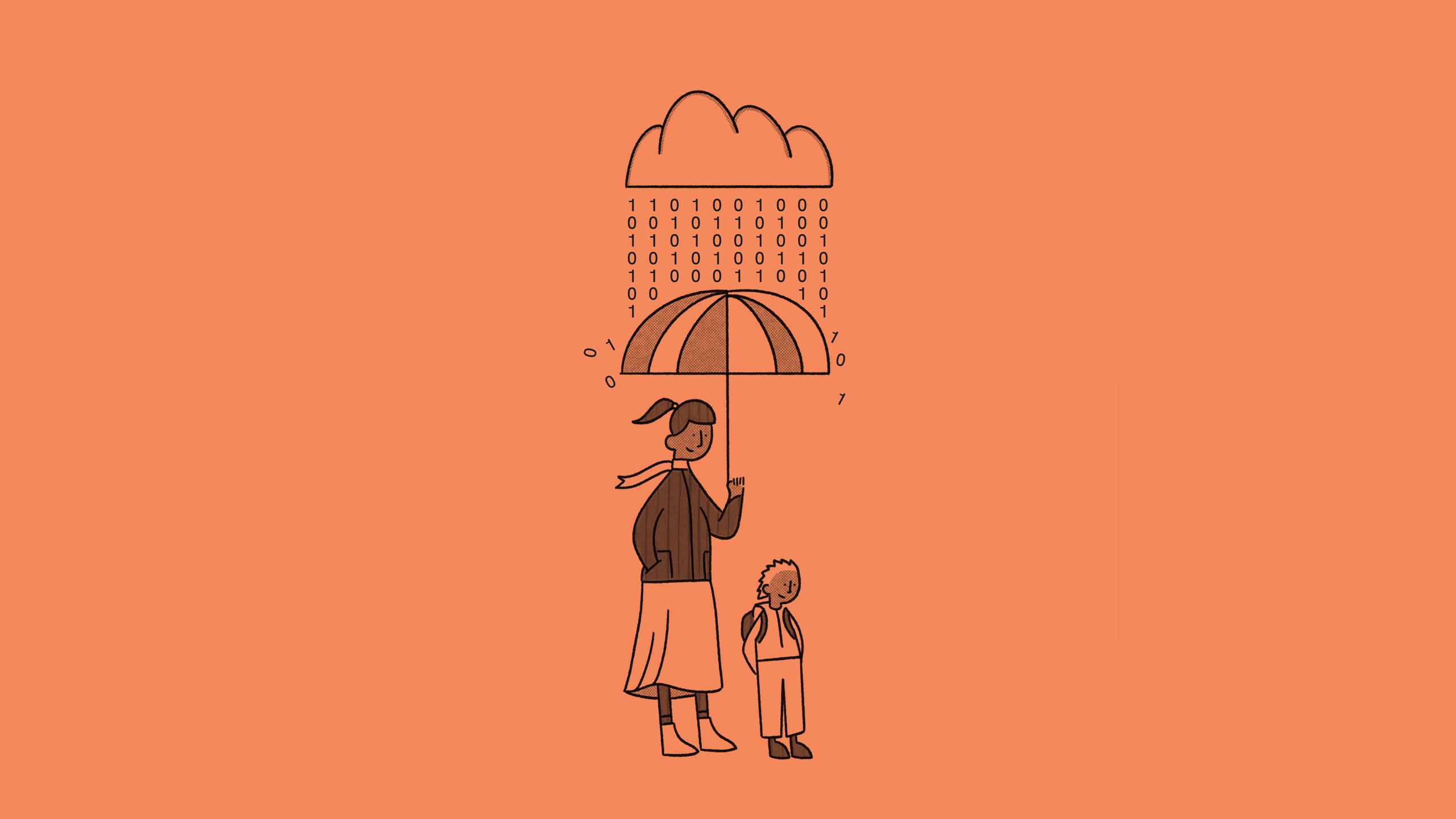
So what can be done, especially for Clarion? Rather than attempting to counter these global trends directly, we should adopt a radically different approach. Social cohesion is essential. To avoid dependency on global technology giants, we need cohesive communities capable of working together and taking responsibility for technology that serves their own needs. This means focusing on the local and the small-scale and exploring community-focused approaches and locally-owned data models.
Radical models across the UK show how this can work: the Manchester-based Carbon Co-op; the Civic Data Cooperative in Liverpool; and Community Tech Aid in South London. One promising innovation is the development of technologies that can be run locally rather than relying on cloud-based services. This increases resilience, reduces environmental impact, and offers communities a way to reclaim control over their data and digital lives.
Yet technological autonomy is only one benefit. People living well in places where they feel agency and control are far better equipped to deal with the coming challenges. Clarion, as a steward of communities, has a crucial role to play in seeding resilience at neighbourhood level. It must acknowledge the risks created by big tech and the impact on its residents. Rather than relying on top-down solutions, Clarion can help build alternative models from the ground up, supporting community-led tech initiatives, local organisations, and sustainable technologies.
To build infrastructural resilience across the UK, Clarion can be both convener and implementer, creating the conditions that allow residents to take control. Its mission to provide safe, secure, high-quality places to live is increasingly bound up with the technologies that can both enable and derail better living. Now more than ever, Clarion needs to create the conditions for empowered, technologically resilient communities.